Simple steps you can take to protect your business from common seasonal scams.
The holiday season is a crunch for teams of all sizes. You’re wrapping up client work, sending final invoices, and trying to grab a few days off. This is also when fraud attempts spike, because scammers know it’s the perfect time to blend in.
There’s a silver lining, though: These patterns are predictable. FreshBooks sees the same types of holiday scams year after year, which means a few simple habits can meaningfully lower your risk. FreshBooks continuously monitors for unusual activity and provides secure, encrypted payments backed by Stripe’s top global infrastructure, so many protections are already built in.
The following steps can help you strengthen your defenses—without slowing down your workflow.
Table of Contents
Key takeaways
- Holiday fraud attempts increase when small businesses are busiest.
- The strongest protection comes from simple security habits: unique passwords, multi-factor authentication, secure devices, and always using official, trusted payment links.
- Use consistent, secure payment flows for both client invoices and vendor bills
- Treat any attempt to bypass regular processes as a warning sign.
- If something feels off, stop payments, review recent transactions, and contact your payment provider right away.
Why small, service-based businesses are easy targets
For small teams, most financial workflows are simple. Invoices arrive in your inbox, payment details often change hands quickly, and clients reach out in short bursts between their own commitments. It’s efficient and flexible, but it also creates space for mistakes, especially during rushed periods like the holidays.
Fraudsters know this. They count on approvals happening faster when you’re busy amidst already informal processes, and that email and/or text are the primary ways you communicate with clients and vendors. That combination makes it easier for something suspicious to blend in with legitimate messages.
This is why the most common holiday scams often appear deceptively ordinary. They often take the form of:
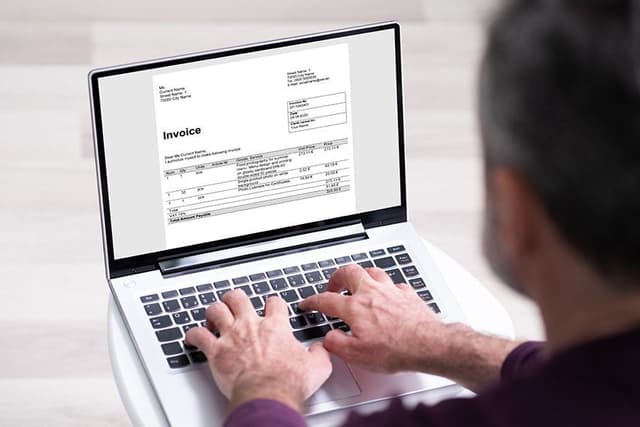
- “overdue” invoices you don’t remember getting in the first place (because you didn’t)
- messages that appear to come from a supplier asking you to update your bank details
- new “project opportunities” with vague requirements and urgent turnaround times
Each one mimics normal business activity just closely enough to look legitimate at first.
Scammers also look for situations where they can convince you to move money on their behalf. They might ask you to pay a “vendor,” “courier,” or “storage fee” with the promise they’ll reimburse you. Any request that shifts the normal flow of money or asks you to pay a third party is a major red flag.
These scams rely on slipping under your radar when your attention is divided and nudging you into acting before you pause to confirm anything. Once you know these patterns, it becomes much easier to spot the small inconsistencies that signal something isn’t right.
A quick pause protects you from misdirection during your busiest moments.
Best practices to protect your business from fraud and scams
These core habits do most of the heavy lifting to keep the financial side of your business safe. They’re simple, foundational, and surprisingly effective.
Keep your account logins secure
Good login hygiene is your first line of defense, making it much harder for scammers to access sensitive information or financial accounts.
- Use strong, unique passwords and multi-factor authentication (MFA). Multi-factor authentication adds a second layer of security, making it much harder for unauthorized users to access your accounts.
- Consider using a password manager to create and store secure passwords, ensuring they are unique and not reused.
- Update older passwords. If your email address has ever been included in a data breach check or if any of your devices have been infected with malware, update your password immediately.
Always verify payments and account activity
Look before you leap. A quick double-check before sending or receiving money can catch inconsistencies early and prevent most payment-related fraud.
- Only send clients to official links for payment, such as an invoice with online payment options or a verified payment link. No screenshots or copy-pasted URLs.
- Don’t trust caller ID. If someone calls asking about payments or account details, call them back using the number you already have saved.
- Review recent incoming and outgoing payments for anything unfamiliar. Transaction reviews catch unusual activity early, often before it becomes a serious issue.
Keep your software up to date and run antivirus scans
Healthy devices keep threats at bay. Updates and regular scans close security gaps before scammers can exploit them.
- Keep devices and software updated. Software updates patch known vulnerabilities, closing security gaps scammers depend on.
- Run periodic malware and virus scans to detect hidden threats. Keyloggers or spyware that capture sensitive data can do serious damage to your reputation and bottom line.
Prevent chargebacks with clear terms
Chargebacks happen when a client tells their bank they didn’t get what they paid for. The best way to avoid them is to make sure everyone understands the purchase from the start.
- Use clear terms and itemized invoices. Spell out what you’re delivering and list the products or services on every invoice.
- Set return or cancellation policies. Even a short policy removes confusion later.
- Keep good records. Save receipts, notes, and confirmations in case you need them later.
- Request proof of delivery if you sell physical goods.
FreshBooks already protects every transaction with best-in-class security standards, including PCI compliance and encrypted processing powered by Stripe’s global infrastructure. These habits simply strengthen the secure foundation you already have.
And if, despite taking precautions, you still get a chargeback, FreshBooks Payments supports you through chargeback disputes by allowing you to submit evidence (like itemized invoices or delivery confirmations) to prove the sale was completed as agreed.
4 simple checks to spot fraud in client and vendor messages
You don’t need new systems or cybersecurity tools. Most day-to-day fraud prevention comes down to brief, intentional pauses whenever you get an unexpected invoice, payment request, or new project. Taking a few minutes to verify important details can save you hours down the road.
Here are 4 habits that can have a big impact:
- Confirm who it’s really from: Match every invoice or payment request to a real client, vendor, or project you recognize.
- Watch for changes to how you usually get paid or pay others. Sudden changes to payment details are a red flag. Scammers often ask you to cover a “fee” that they’ll supposedly reimburse later. Slow down and verify the request through a trusted channel.
- Scan for common red flags in messages, like poor spelling or unusual phrasing, and email addresses that are close but not quite right. If you see these signs, double-check before clicking, replying, or paying.
- Use secure, familiar payment channels when you send invoices and collect client payments, or pay vendors. FreshBooks supports this by providing a consistent, recognizable invoice and checkout experience for your clients, and secure, encrypted processing on the back end, so anything that doesn’t fit your normal pattern stands out.
What to do if you suspect fraud
If something feels wrong, trust your instinct. It’s always easier to prevent a fraudulent payment than to undo one.
Here’s what to do immediately if you suspect fraud:
- Stop sending or approving payments connected to the suspicious message or invoice.
- Review recent transactions to see if anything else looks unusual.
- Contact your payment provider, accounting platform, or bank right away with the details so their team can investigate and advise you on how to proceed.
If you use FreshBooks, you can reach out to FreshBooks Support with information about the suspicious activity so they can help you review recent transactions and recommend next steps.
Early action reduces your exposure to fraudulent transactions, so be sure to notify your provider as soon as you notice something amiss.
A final thought as you head into the holidays
The holidays can be stressful for anyone: You’re dealing with more communication, more deadlines, and more moving parts. But a handful of quick checks, paired with the protections FreshBooks already provides, can dramatically reduce your fraud risk.
A few minutes now can give you much more peace of mind later, and help ensure your holidays (and year-end) run as smoothly as possible.
Written by Erin Pennings
Posted on December 15, 2025